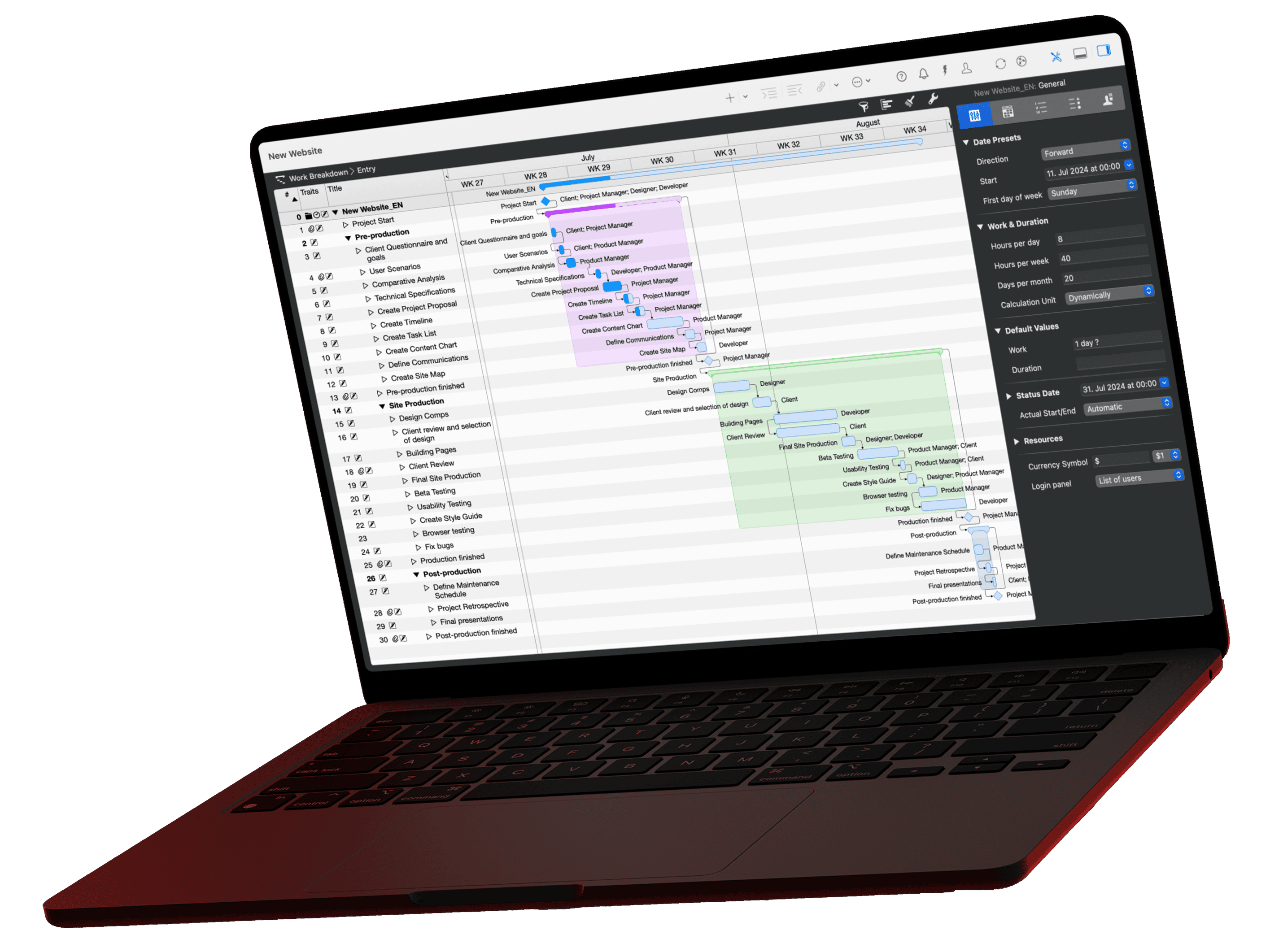
Project management challenges are recurring problems that threaten a project's scope, cost or schedule, such as scope creep, unclear goals and unrealistic deadlines. According to PMI's Pulse of the Profession 2018, 52 percent of projects experienced scope creep and 48 percent missed their deadline. In megaprojects such as Stuttgart 21, these effects multiply.
The challenges faced when undertaking a project repeat across industries, and some show up far more often than others. The numbers in this article come from two sources: PMI's global survey Pulse of the Profession 2018 of 4,455 project professionals, and the project database of Oxford professor Bent Flyvbjerg.
What Is Scope Creep and How Do You Prevent It?
Scope creep is the gradual, unapproved expansion of project scope: requirements grow while budget and deadline stay the same. According to PMI, 52 percent of projects completed in 2018 experienced scope creep, up from 43 percent five years earlier.
Cause: In software development, extra features slip into the sprint; in construction, the client changes drawings after sign-off. Both happen when nobody reviews changes formally.
Solution: Agree on the project scope with all stakeholders before the start and route every change through a change request that states its cost and schedule impact. Agile methods such as Scrum absorb changes in short sprints instead of forcing them into the running plan. In Merlin Project, you switch between the work breakdown structure and the Kanban board of the same project.
Why Do Projects Fail Because of Unclear Goals?
Unclear goals leave open when a project counts as a success, and therefore which work comes first. According to PMI's Pulse of the Profession 2018, 31 percent of projects miss their original goals.
Cause: Sponsors phrase wishes instead of measurable results, and the team plans without a test for success.
Solution: Write goals with the SMART method: specific, measurable, achievable, relevant, time-bound. Every team member then sees which activity serves which goal.

How Do You Keep the Project Budget Despite Changes?
Budget overruns happen when scope or prices rise and nobody re-evaluates the cost. PMI reports for 2018 that 43 percent of projects were not completed within budget and that organizations waste 9.9 percent of every dollar invested due to poor project performance.
Cause: Estimates come too early, contingency is missing, and changes bypass the budget.
Solution: Plan project costs per activity, hold a reserve for known risks and compare plan and actual continuously.
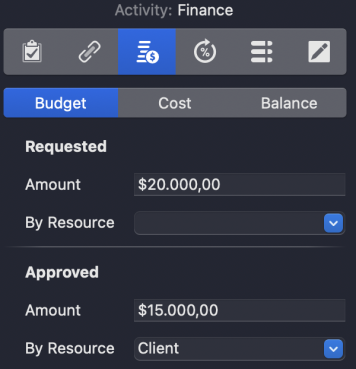
Budget per activity
With budget management in Merlin Project, you request and approve budget per activity and project and see the balance at every level.
What Are the Consequences of Poor Communication in a Project?
Poor communication means that decisions, changes and problems reach the people involved too late or not at all. According to PMI's 2013 report The Essential Role of Communications, ineffective communication accounts for 56 percent of the project budget put at risk by poor performance.
Cause: Discussions run in meetings, emails and chats. Later, nobody finds the reasoning behind a decision.
Solution: Define who receives which information when, and record decisions where the work happens. The article communication management for project managers describes how to plan this. In Merlin Project, you comment on activities, resources and attachments directly in the project file with annotations.
How Do You Resolve Conflicts in the Project Team?
Team conflicts are tensions over goals, roles or approach that block collaboration. Leadership from the top is often missing: according to PMI 2018, an average of 38 percent of projects lack an actively engaged executive sponsor.
Cause: No shared vision, misunderstandings and unclear responsibilities.
Solution: Address conflicts early, find the cause and bring in the sponsor when priorities clash. Sometimes distance from daily work helps: joint team building activities create the basis on which you then resolve the conflict.
How Do You Match Team Members to Their Skills?
Unbalanced team skills mean that tasks land with people who lack the knowledge or the time. The result is overload for a few experts and idle time for others.
Cause: Assignments by availability instead of qualification, and nobody sees utilization across all projects.
Solution: Review assignments regularly against skills and resource leveling. Resolve overloads before they break the deadline.
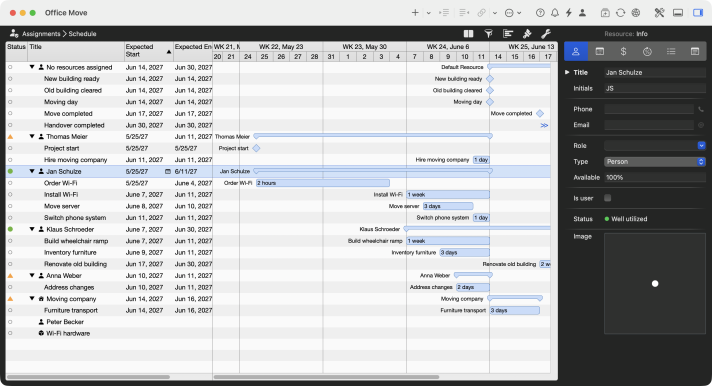
Utilization in the Assignments view
The Assignments view in Merlin Project shows every activity of a resource on one timeline, and the Status column rates each resource as Over-utilized, Under-utilized or Well utilized. In the office move, the IT lead is scheduled for the Wi-Fi installation and the server move at the same time; leveling under Edit › Resource Leveling moves the server move. Details in the lesson Setting Up Resources.
How Do You Strengthen Accountability in the Project Team?
Lack of accountability means that tasks belong to no one in particular, so problems stay unsolved. Accountability grows from clear ownership and visible progress; checking every step weakens it.
Cause: Several people feel responsible for the same task, or nobody does.
Solution: Assign exactly one responsible resource to each activity and make progress visible to everyone. Earned value analysis compares planned and completed work with the costs, so every team member sees where the project stands.
How Do You Avoid Unrealistic Deadlines?
An unrealistic deadline is a date fixed for sales or political reasons before anyone has estimated the work. According to PMI, 48 percent of projects in 2018 were not completed on time.
Cause: Optimistic estimates and dates that sales promises to win the contract.
Solution: Break the project into activities, link them with dependencies and let the network calculate the end date. Plan buffer for the unexpected and estimate from completed, similar projects.
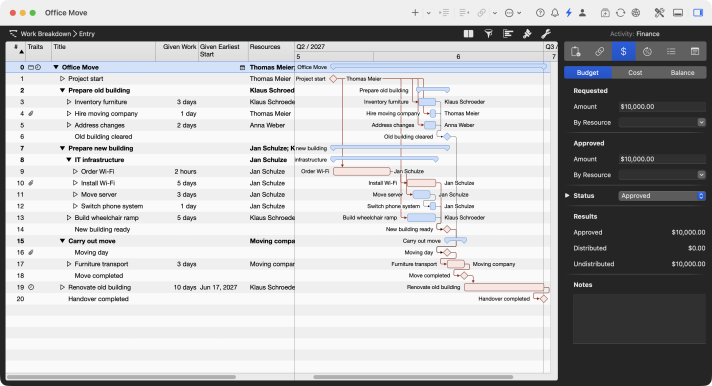
The critical path shows which date holds
With View › Show Critical Path, Merlin Project colors the longest chain of dependent activities red. Every day of delay on this chain moves the project end, in the office move the June 30 handover. The glossary entry critical path explains how to read it.
How Do You Handle Project Risks Properly?

Risk management is project management for adults!
(Quote from the book Waltzing with Bears by Tom DeMarco and Tim Lister)
Risk management means spotting possible future problems early, rating them by probability and impact and preparing responses. Poor risk management spots risks only after they have occurred.
Cause: Risks sit in a separate list that nobody opens after the kickoff.
Solution: Attach every risk to the activity it affects and set owners and actions. The team then reviews risks in every status meeting.
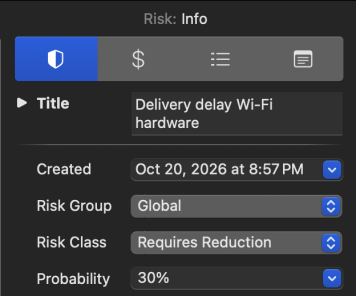
Risks on the activity
With Insert › Attachment › Risk, you attach a risk to an activity in Merlin Project. In the Inspector, you rate probability and impact on scope, cost and schedule and enter the response under Actions. The lesson Risk Management shows every field.
What Are the Challenges of Large and Construction Projects?
Large and construction projects bundle all ten challenges and amplify them through duration, number of parties and public scrutiny. In "How Big Things Get Done" (2023), Bent Flyvbjerg analyzes a database of more than 16,000 projects from 136 countries: only 8.5 percent hit both cost and schedule targets, and only 0.5 percent also delivered the planned benefits.
Plan versus actual in three German megaprojects
Light bar: planned value as a share of the actual value
Elbphilharmonie, cost to the City of Hamburg
Plan €77 million · Actual €789 million · Factor 10.2
Stuttgart 21, construction cost
Plan 2009 about €3 billion · June 2026 about €14.5 billion · Factor 4.8
Berlin Brandenburg Airport BER, construction time from groundbreaking in 2006
Plan 5 years (October 2011) · Actual 14 years (October 31, 2020)
Sources: Wikipedia (Elbphilharmonie, Berlin Brandenburg Airport), ZDFheute, June 26, 2026 (Stuttgart 21)
The patterns repeat:
- Design continues during construction. At BER, the airport company cancelled the opening set for June 2012 a few weeks beforehand because of problems with the fire protection system; more building services defects followed. Every design change during construction triggers claims and waiting time for the following trades.
- Costs are fixed too early. The Elbphilharmonie started with an investment of 77 million euros for the City of Hamburg; in 2013, Mayor Olaf Scholz put the cost to taxpayers at 789 million euros. For Stuttgart 21, the 2009 financing agreement assumed construction costs of around three billion euros; in June 2026, Deutsche Bahn named about 14.5 billion euros and December 2031 as the opening date of the new main station.
- Many trades, long chains. Shell, building services and fit-out depend on each other. If an early activity on the critical path slips, construction time grows for everything that follows.
Why does construction time keep rising? Usually an activity on the critical path slips and nobody carries the delay forward, or design changes create claims that are missing from the schedule. Flyvbjerg recommends two remedies: plan slowly and thoroughly before construction starts, and estimate cost and duration with reference classes, the actual values of comparable completed projects. For commercial buildings and projects in architecture firms, the guide project management in architecture shows how to use project phases as a planning framework.
Conclusion
Most project management challenges arise before the start: unclear scope, untested goals, estimated instead of calculated dates. Settle these three points before the first invoice arrives, and make dependencies, utilization and risks visible in the plan. The article the 15 most common mistakes in project management collects the typical errors to avoid along the way.
If you have any questions about this blog article or would like to discuss it, we look forward to your contribution in our forum.
Frequently asked questions
What are the biggest challenges in project management?
According to PMI Pulse of the Profession 2018: scope creep (52 percent of projects), missed deadlines (48 percent), budget overruns (43 percent) and missed goals (31 percent). Behind them lie unclear goals, poor communication, missing sponsors and weak risk management.
What challenges are faced when undertaking a large project?
Large projects suffer from costs fixed too early, design changes during execution and long dependency chains across many parties. According to Bent Flyvbjerg, only 8.5 percent of projects hit both cost and schedule targets.
What are the challenges of large construction projects?
Construction projects struggle with design changes during construction, claims, dependencies between trades and permit risks. At Berlin Brandenburg Airport, the operator called off the June 2012 opening a few weeks beforehand because of the fire protection system; the airport opened on October 31, 2020.
Why does our construction time keep increasing?
Usually an activity on the critical path slips, or design changes create claims that are missing from the schedule. Link all trades with dependencies and show the critical path, and you see every shift at once.
What is the difference between challenges and mistakes in project management?
Challenges come from outside or from the project situation, such as a client with new wishes. Mistakes come from your own decisions, such as a plan without buffer. Good planning turns challenges into manageable risks.