The introduction of agile methods and the associated transformation of the project management culture can be challenging. This conversion of a traditional, sequential project management to an agile approach is referred to as agile transformation.
Already in a previous blog article we addressed the topic what agile software development is. Agile methods, such as Scrum, Kanban or Extreme Programming (XP), are designed to be able to react quickly to changes in the project environment by using iterative and incremental approaches.
Agile transformation usually requires a culture change in the organization to promote agile values such as openness, transparency, collaboration and feedback. Make sure the Agile Manifesto and its associated principles are understood and accepted to ensure a successful agile transformation. It is also important to choose an agile framework that best fits the needs of the team and the project.
Agile Transformation - What You Should Pay Attention To
Cultural Change
The introduction of agile methods in project management primarily means a change in corporate culture and mindset. Employees must learn to work in agile teams, respond to rapid changes and feedback. Open communication and collaboration are essential in this process.
Training and Coaching
Training and coaching of employees and managers impart the agile methods and support the teams in their implementation.
Implementation in Small Steps
The transition from traditional project management to an agile approach should be implemented gradually and in small parts. This allows teams to get used to the new methods and continuously improve.
Adjustment of Processes and Structures
Critically scrutinize existing processes and adapt them if necessary. Agile methods often require an adaptation of processes and structures in project management.
Success Measurement
Don't neglect measuring success to ensure that the new, agile methods and structures actually bring the desired success. Metrics such as velocity, time-to-market or customer satisfaction can help here.
Support From Management
Managers must exemplify as well as actively promote the new methods and structures to enable successful transformation.
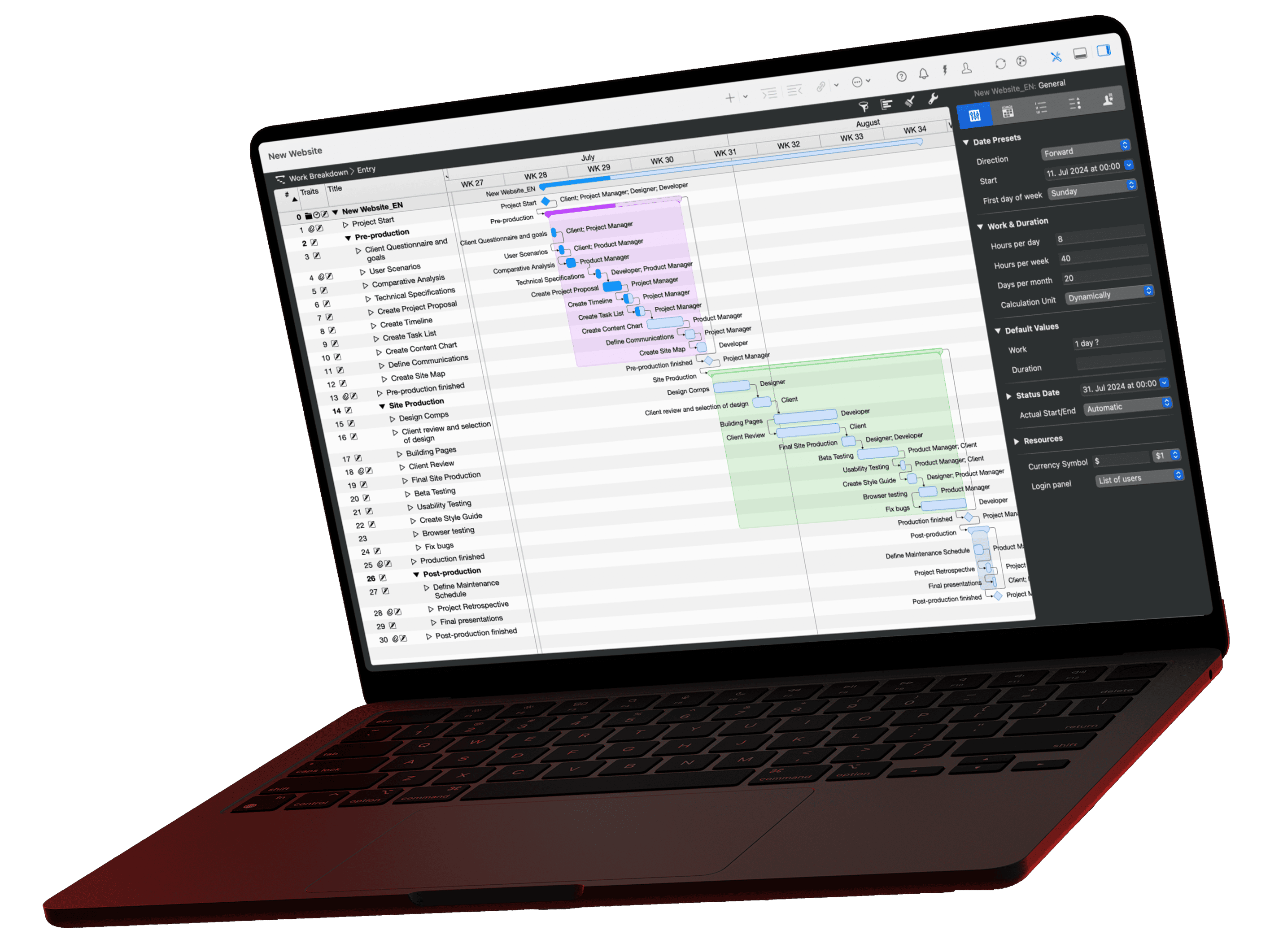
Whether you use traditional or agile project management methods, Merlin Project lets you manage your projects on Mac and iPad with ease. Don't just take our word for it, ask other users in the new Merlin Project Forum.
Summary
Agile transformation in project management harbors the benefits of increased flexibility, faster time to market, higher customer satisfaction, and better collaboration within the team. However, it can also bring challenges, such as the need for clear communication as well as coordination within the team and between project stakeholders, the need for careful prioritization of requirements.
Overall, agile transformation in project management can be an effective way to respond to rapidly changing requirements and improve project success. Each organization and context requires an individual approach and adaptation to specific needs.
If you have any questions about this blog article or would like to discuss it, we look forward to your contribution in our forum.